
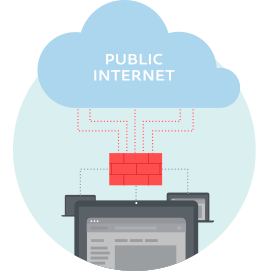
A single break in protection can shut down everything. Emails stop. Sales freeze. Customer trust vanishes in seconds. The digital world runs on connections, and those connections need a strong shield.
Without proper defense, your whole setup collapses like a house of cards. This is exactly why network security must be your top priority.
Prevention of data theft:
Sensitive files exist everywhere. Personnel records, financial logs, and private messages travel across local links. Strong walls stop thieves from grabbing this wealth. Encryption turns readable text into scrambled code, blocking unauthorized eyes. Consistent monitoring blocks leaks before damage occurs. Keeping information locked keeps reputations clean and businesses functioning.
Reliable uptime for operations:
Computers need constant, stable access to function correctly. Crashes cause huge losses when employees cannot work. Protective measures stop malware from infecting crucial servers. Keeping systems clean lets staff work without worry. Stable connections allow tasks to finish on time. Reliability stems from solid barriers stopping harmful code from crashing active databases.
User privacy and trust:
People share personal details assuming safety. Clients trust systems that show care. Leaks break bonds between providers and users. Hardened defenses demonstrate high standards. When individuals feel safe, interaction grows. Sturdy locks prove dedication to privacy, keeping loyalty strong. Protection remains vital for maintaining positive relationships in a connected space.
Protection from external threats:
Harmful actors scan entry points constantly. Viruses and ransomware hunt for open doors. Barriers stop attacks before they reach critical assets. Firewalls filter traffic, keeping malicious elements outside. Regular updates fix weak spots. Defense acts as an active shield, blocking harmful traffic while permitting valid requests to pass into internal zones.
Control over access points:
Giving everyone access to everything invites disaster. Strict rules define who enters specific areas. Role restrictions limit movement, keeping files safe from accidental deletions or purposeful harm. Admin tools grant permission based on real needs. Managing entry points prevents broad exposure. Limiting reach keeps sensitive sections isolated from general users.
Compliance with safety laws:
Rules mandate strict handling of electronic facts. Violating privacy laws brings heavy fines and legal trouble. Proper safeguards meet these requirements, keeping entities safe from government penalties. Following industry protocols shows seriousness. Adhering to standards creates a framework for safe operations. Documentation proves adherence to legal guidelines, shielding organizations from messy courtroom battles and public embarrassment.